

Blog
Boca do Inferno: The Dramatic Sea Cliffs of Cascais

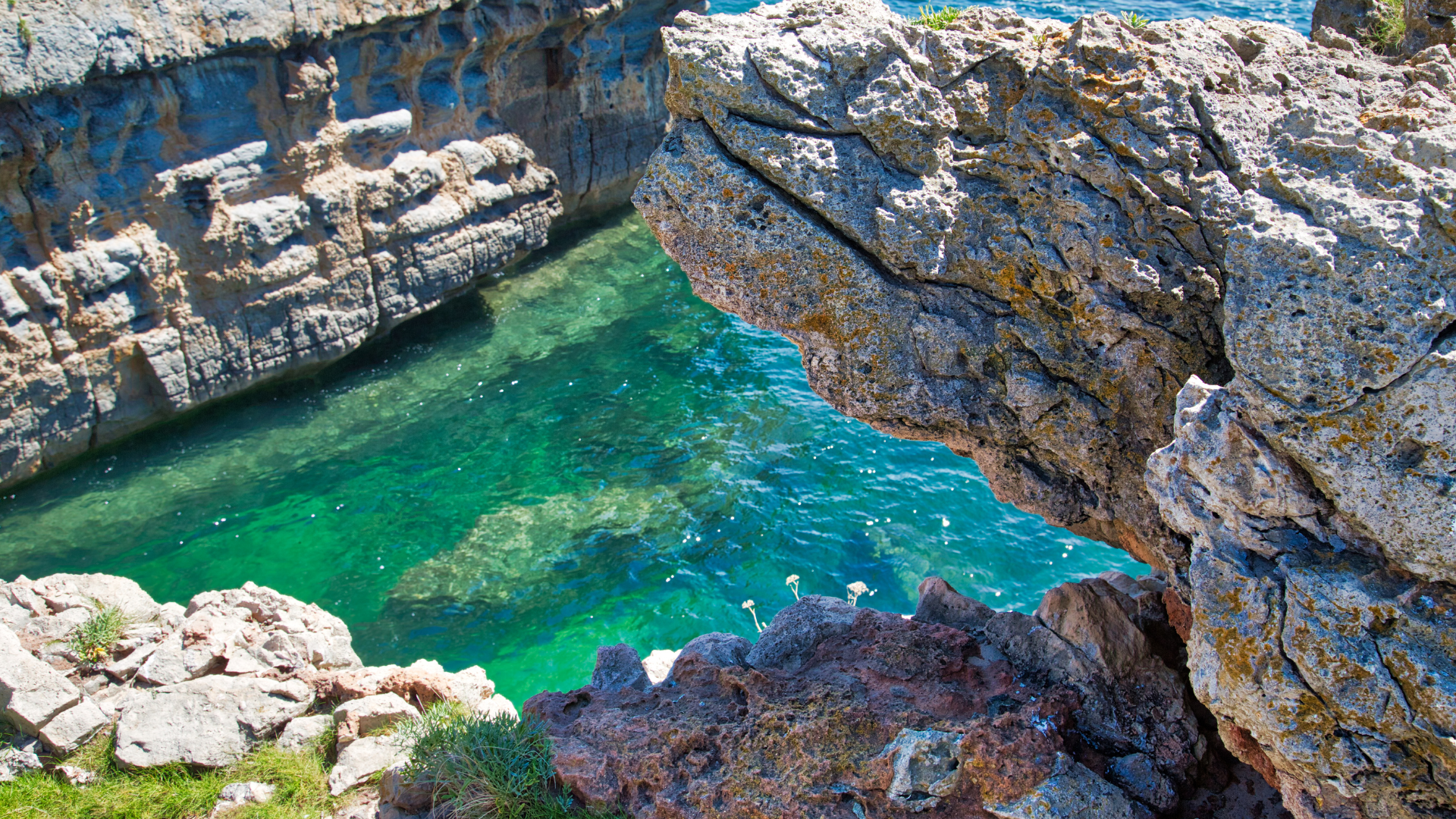
Just west of Cascais, the ocean has carved a deep chasm into the cliffs. Locals call it Boca do Inferno, or the Mouth of Hell, because of the way the waves thunder into it during storms. It is a quick and impressive stop on any coastal drive from Lisbon.
How Boca do Inferno was formed
Over thousands of years, the sea eroded a cave in the limestone cliffs until its roof collapsed. What remains is a natural arch and a narrow inlet where the water churns and sprays. On calm days the scene is peaceful; in rough weather, it becomes truly spectacular.
A famous legend at Boca do Inferno
In 1930, the British occultist Aleister Crowley staged his own disappearance here with the help of the Portuguese poet Fernando Pessoa. He left a note on the rocks and reappeared weeks later in Germany. The story still adds a touch of mystery to the place.
What to do nearby
- Walk or cycle the seafront path between Cascais and Guincho.
- Browse the small craft stalls near the viewpoint.
- Enjoy seafood at one of the restaurants overlooking the sea.
- Continue to Cabo da Roca for even bigger cliffs.
Best time to visit
Come on a windy day or at high tide for the most dramatic waves. Sunset is also beautiful, as the light hits the rocks. Stay behind the railings, because the edges can be slippery and the sea is powerful.
Getting there
The viewpoint is about two kilometres from Cascais Marina, so it is an easy stop by car. A private driver lets you combine it with Guincho Beach and Sintra in a single day. From central Lisbon, the drive takes around 40 minutes. For more about the area, visit Visit Lisboa.
Book your Cascais coast tour
Discover the wild side of Cascais with BlueLane. Our chauffeurs know the best stops along the coast and will plan your day around the light and the tides.


